Feline Hypertrophic Cardiomyopathy and Immunothrombosis
What is hypertrophic cardiomyopathy?
Feline hypertrophic cardiomyopathy (HCM) is the most common cardiomyopathy in cats affecting nearly 1 in 3 cats. It is caused by thickening of the heart muscle. To date, diagnosis of HCM-affected cats relies solely on echocardiogram or ultrasound performed by a specialist. This greatly hinders our ability to diagnose HCM as many cats with the disease are not symptomatic.
HCM in cats lead to complications such as congestive heart failure and heart rhythm abnormalities but feline arterial thromboembolism (FATE) or “saddle thrombus” is by far the deadliest. It has a mortality rate of up to 70% and in-hospital mortality rate of ~50% within the first 48 hours.

What is immunothrombosis?
Immunothrombosis is the intricate connection between the immune system and coagulation system. In health, the 2 systems work together to promote clot formation, healing of tissues and prevent infections. In diseases, imbalance of the 2 leads to systemic inflammation and thrombosis. It’s hypothesized that immunothrombosis may play a role in disease progression of HCM and predisposes cats to FATE.
Immunothrombosis: Diagnostic marker or therapeutic target?
Novel biomarkers
Our study published in the the Journal of Feline Medicine and Surgery in 2025 showed that platelet-to-neutrophil (PNR) ratio may be an accessible marker of thrombotic risk that reflects the interactions between platelets and neutrophils. Cats with PNR < 40 at the time of HCM diagnosis had a significantly higher risk of cardiac-related morality. Find out more here.
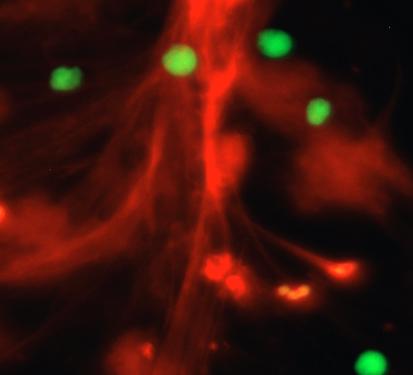
Our study in 2023 found that cats with HCM, even those with subclinical HCM, had increased circulating markers of neutrophil extracellular traps (NETs). NETs are produced from neutrophils, especially after they interact with platelets. Interestingly, NETs could not be found in healthy cats, which suggests that immunothrombosis occurs in cats with HCM.
Here are some of our ongoing projects in this area:
Mechanisms of NETs formation
- Evaluation of shear-induced platelet activation, neutrophil extracellular trap formation and thrombosis in cats using an in vitro microfluidic model of cardiogenic arterial thromboembolism
- Evaluation of neutrophil-lymphocyte ratios and platelet-neutrophil ratios in relations to neutrophil extracellular traps formation in cats with hypertrophic cardiomyopathy
Novel mechanisms and identifying therapeutic targets of platelet activation and immunothrombosis
- Uncovering the mechanisms of platelet activation and priming in cats in immunothrombosis
- Evaluation of phosphodiesterase inhibitors in platelet priming and activation in feline platelets